
At Sanofi, we believe in the power of shared experiences to provide crucial knowledge when it matters most.
Kidney Transplant Connectors (KTCs) are donors and recipients who come together to educate and motivate people in need of a kidney transplant and their loved ones by sharing their own journeys through transplantation.
Meet the kidney transplant connectors*
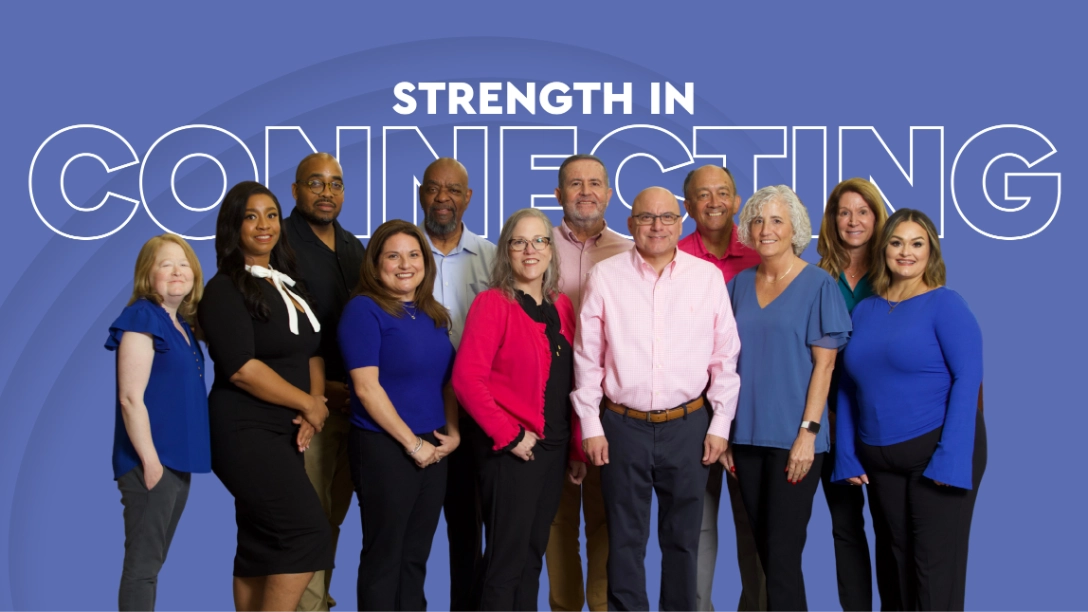
SUE:
I feel that Kidney Transplant Connector Program is so important because it shows both sides. It shows the donor side and the recipient side, and it gives hope to people that are maybe waiting for a transplant or trying to decide what their options are, and it also helps living donors learn about some of the processes and hear other people's stories.
HEATHER:
I wanted to share my story as a KTC because throughout human history we have connected with each other through storytelling, and when people are going through something, they want to connect with someone who's walked that walk and been through it.
SCOTT:
After I had my transplant, the most important job I thought that I had was to get out the word about being a recipient, about receiving from a living donor. As KTCs, we all have stories, and they all have their little unique parts, but I think what we're really doing is we're expressing to the people who are waiting that they should have hope.
BOBBI:
I decided to share my story because I really believe in the power of living donation. I have received so much in return from being a living donor that I just want to spread the word and let people know that it's such a wonderful experience that if they're eligible to donate, that they should really try to.
AMANDA:
I know that when I was on the other end of not being a donor quite yet, I had so many questions. I wanted to know what a living kidney donor looked like, what life was like after, and to be able to maybe put those thoughts and questions at ease for other people is my sole reason for being a KTC speaker.
HEATHER:
It's just talking about experiences and feelings and recovery and all of those things, so having that opportunity is really what makes this program unique because you can ask questions without judgment, and you can hear about others' experiences when you're trying to make that decision for yourself.
SCOTT:
I'm not here to tell you what's going to happen to you, but I'm here to tell you what can happen to you, and for some people that's really all they need, that little glimmer of hope.
MARIBEL:
I decided to become a KTC to help improve health literacy and education in our Hispanic community. I think there is a lot of myths out there that need to be clarified.
RODOLFO:
Every time I go into an event, I get people lining up in the Spanish community asking me questions. I can see hope in their face, and after they leave the event, they feel more positive and I can see their smile on their face.
HEATHER:
It's really powerful to see light bulbs go off when you're telling your story and people in the audience going, "Oh, I always wondered what that was like."
Or, "Oh, I was going to ask that question. Can I hear more about that?" Because that's how everyone in the room then starts to get energy around learning more and becoming motivated to make that decision for themselves.
AMANDA:
I can see almost every time that we talk and we share our journey and our story that our sweet patients go in with perhaps a little slumped shoulders, and they walk out with their shoulders a little bit higher. We can see in their face that they have that hope, they have that motivation to say, "Huh, I'm not alone."
SCOTT:
One of the most satisfying experiences I've had as a KTC is being able to inspire other people to consider the possibility and in some cases actually become living donors. I know two people who found out my story and decided to be living donors.
STEVE:
There was a lady that came up to me, and she had her husband and her son with her. She said, "I just want to let you know that you made whole difference in my husband's idea of what he was going to do about transplant because our son wanted to give him a kidney and dad wouldn't take it. After listening to you today, just want to let you know that dad said he's going to accept a kidney," and for me that was just, that was it.
REGINALD:
The best thing about being in KTC is enjoying the community and spreading knowledge and enjoying each other.
DAVID:
It's been 14 years since I received my kidney transplant, I just celebrated this past August. I've been doing fantastic, having a second chance in life, and now today I'm just paying it forward by advocating for patients.
ALANA:
I love working with KTC because they get it. They understood how important it is to advocate in the community. They allow me to do boots on the ground in a broader scale, and I'm able to touch many more people and offer hope to many more people and let them know that they are not alone in this process.
VO:
Whether you are wanting to be a living kidney donor, have thought about being a living kidney donor, or are on the transplant wait list, the KTC Program has something for you.
MAT-US-2005542-v3.0-10/2025
*These are actual patients.
Each patient story reflects the real-life experiences of individuals undergoing kidney transplantation. Individual experiences may vary.
About the KTC program
The Kidney Transplant Connectors program is available both in-person and as a live webinar. Each program is presented by one donor and one recipient who share their personal journeys, as well as:
-
The importance of self-advocacy and considering all available options to help reduce time spent on the transplant waitlist
-
Tips for preparing yourself and your loved ones before, during, and after the procedure
-
Educational information and resources about transplant options

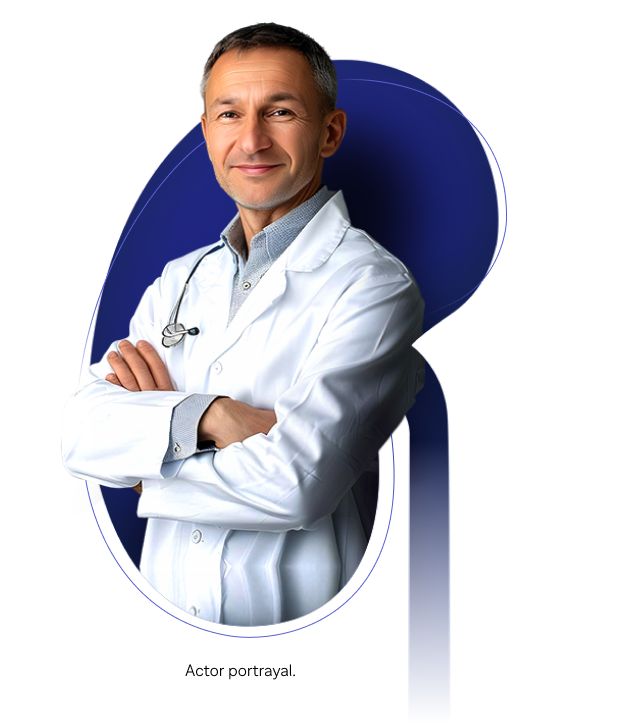
Are you an HCP?
If you are a Healthcare Professional who’s interested in learning how to host a KTC program for your patients, please visit our HCP site partnersintransplant.com and submit the request form.
A representative will be in touch with you!
Sanofi does not provide medical advice, diagnosis, or treatment. The health information contained herein is provided for general educational purposes only. Your healthcare professional is the best source of information regarding your health. Please consult your healthcare professional if you have any questions about your health or treatment.